
From Willow to Charcoal: Making Our Own Drawing Materials
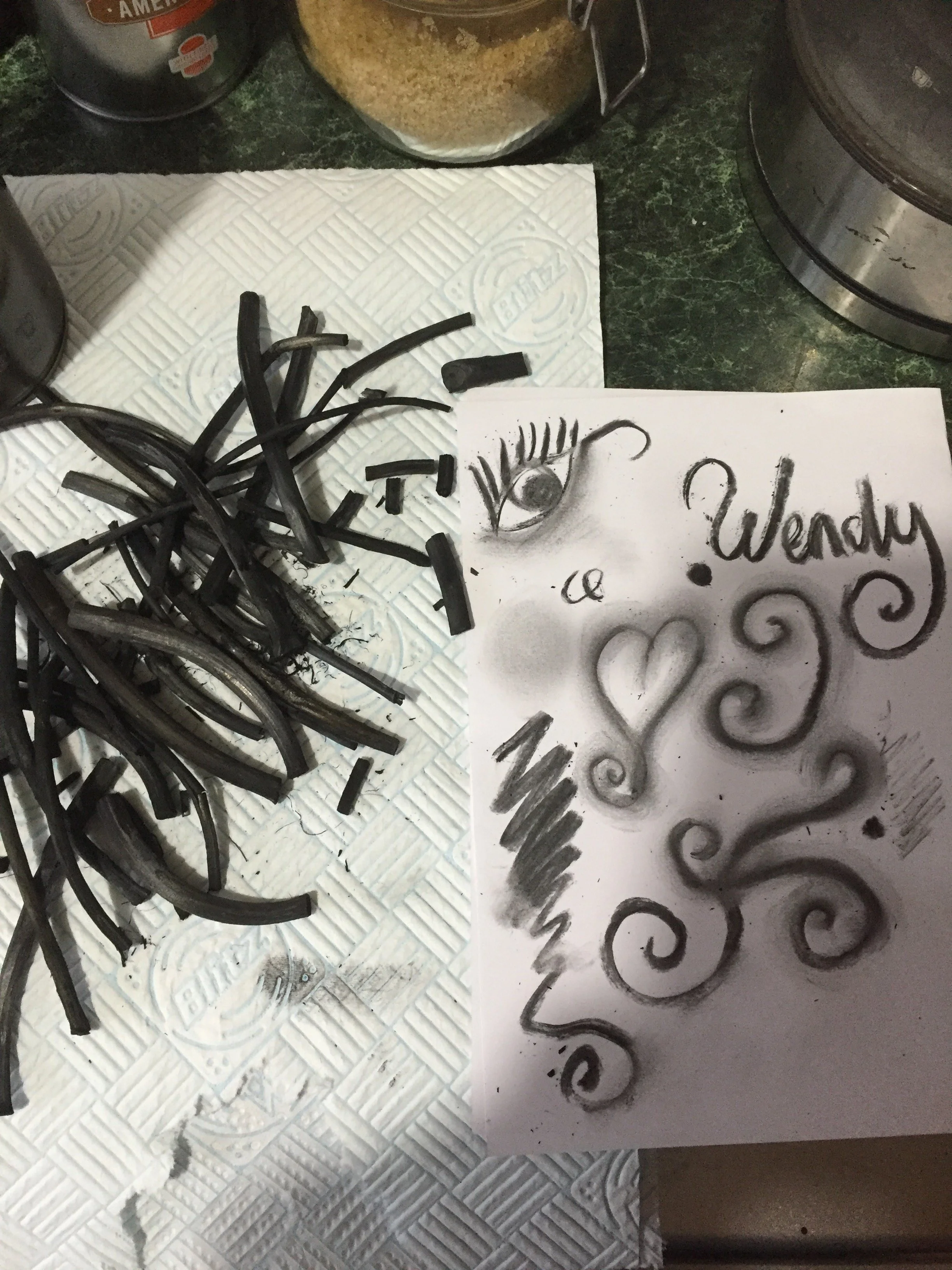
Homemade willow charcoal and a charcoal drawing, showing how natural materials gathered outdoors can be transformed into art supplies.
There is something special about making your own art materials.
Perhaps it is the journey that makes them meaningful.
Before there was a piece of charcoal in our hands, there was a walk, a fallen branch, a Willow stalk, a pair of secateurs and the simple question of what could we make from this?
This was very much part of the way we lived when my children were growing up.
We were always looking for ways to take what we found in the natural world and bring it into our making.
Sometimes flowers, leaves, sticks and stones became art.
Sometimes what we gathered became something to eat.
And sometimes, we made our own drawing materials.
Gathering the Willow
For this particular batch of charcoal, we used willow stalks, along with pieces of other wood.
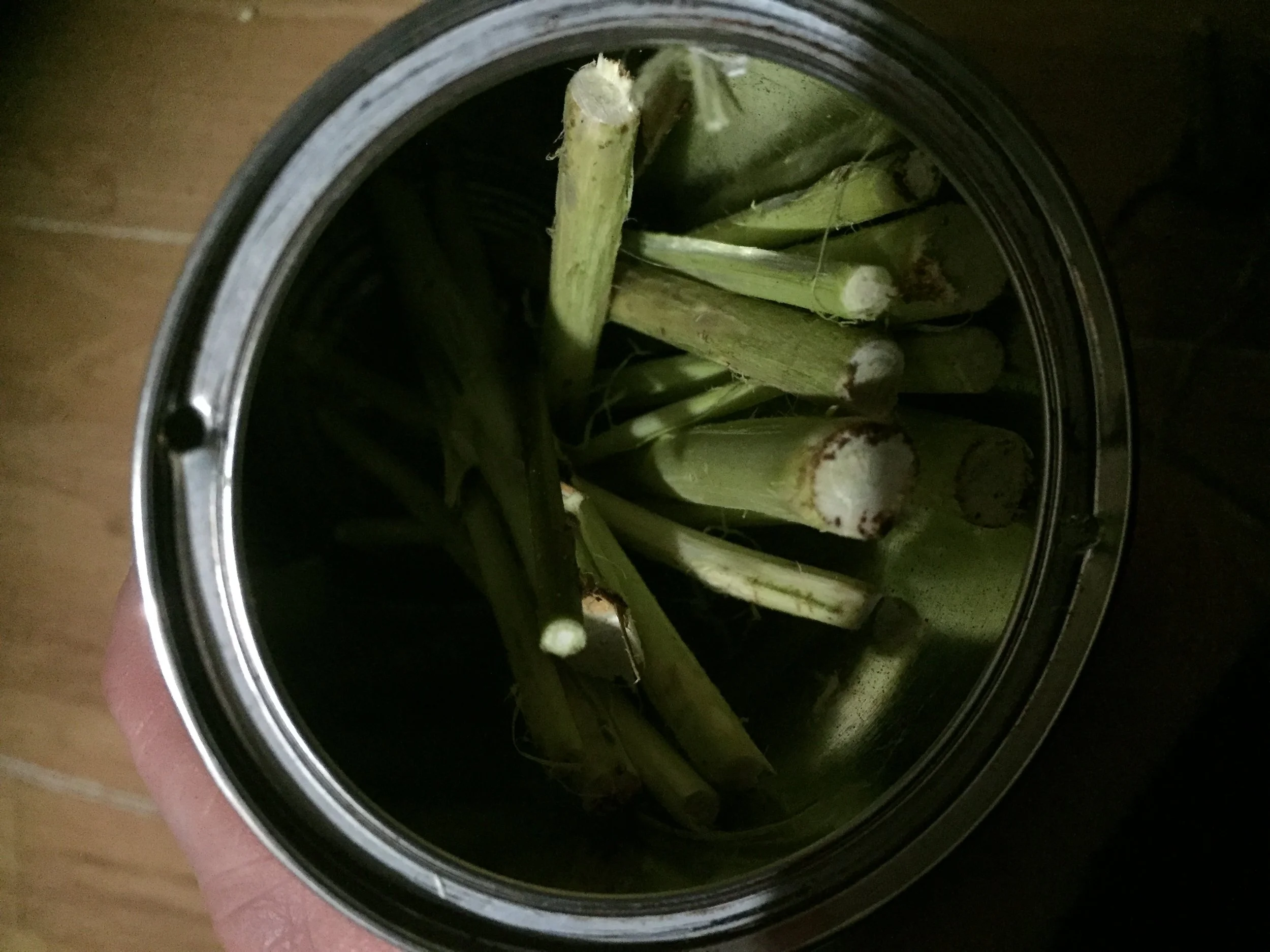
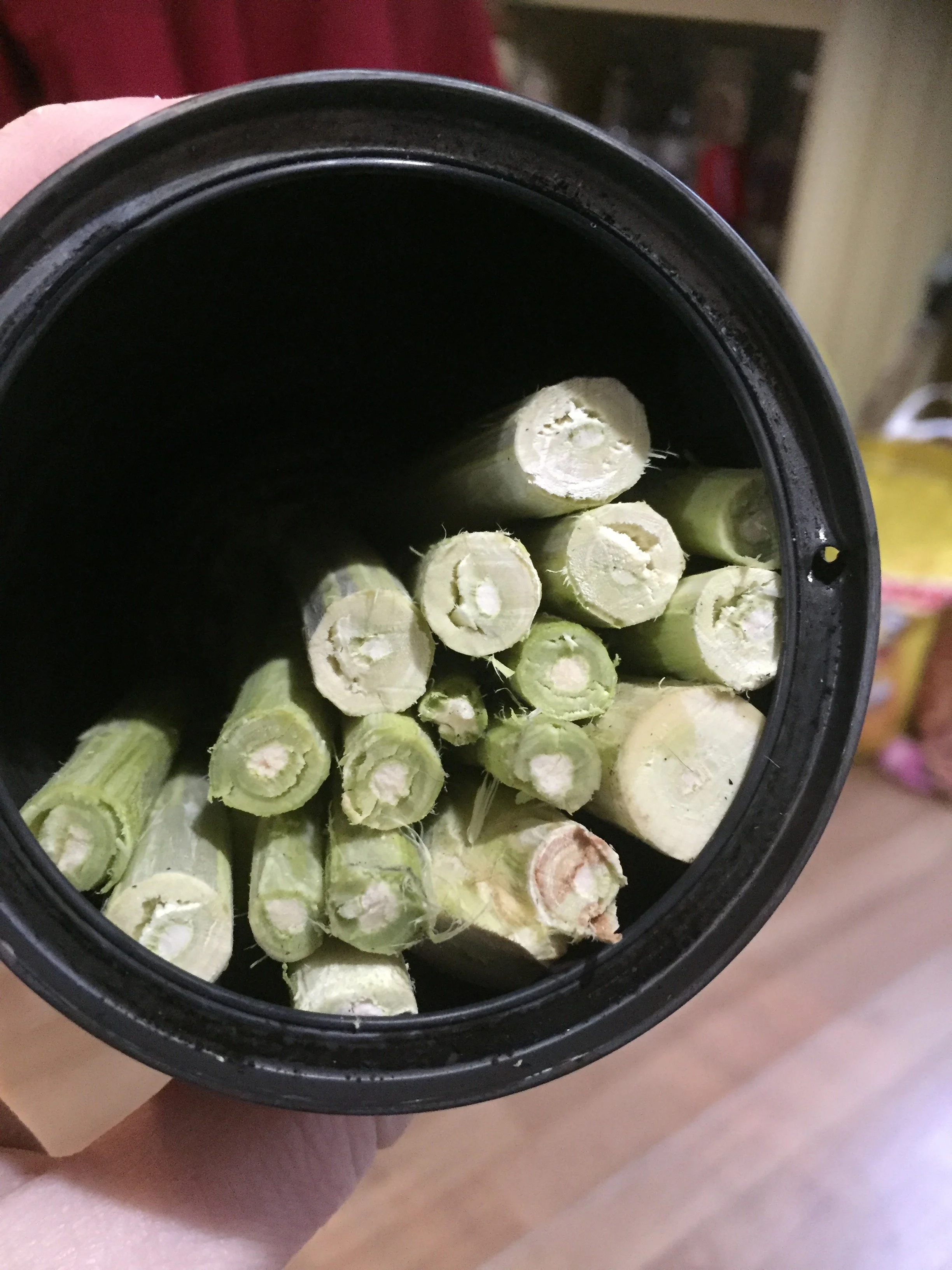
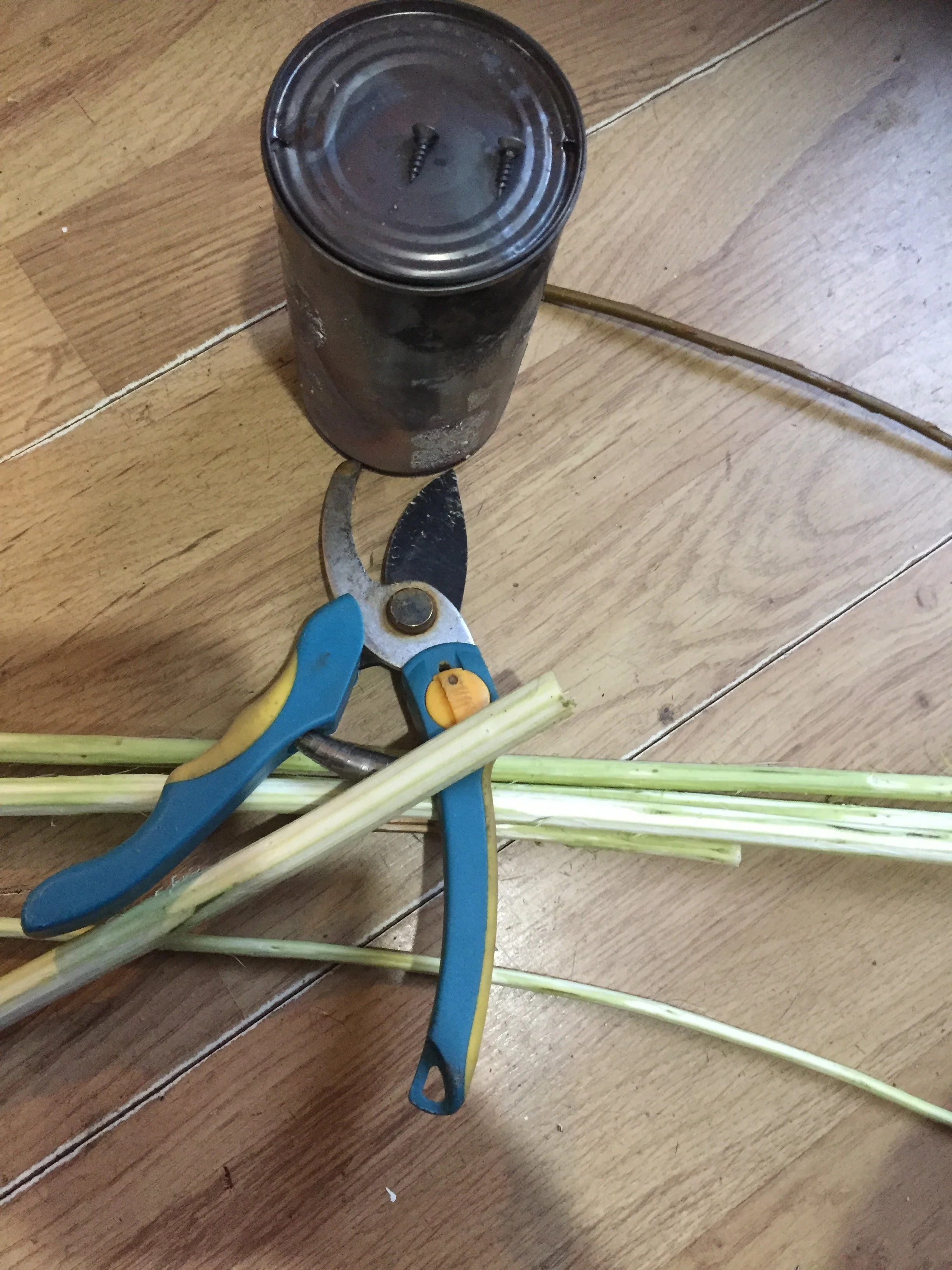
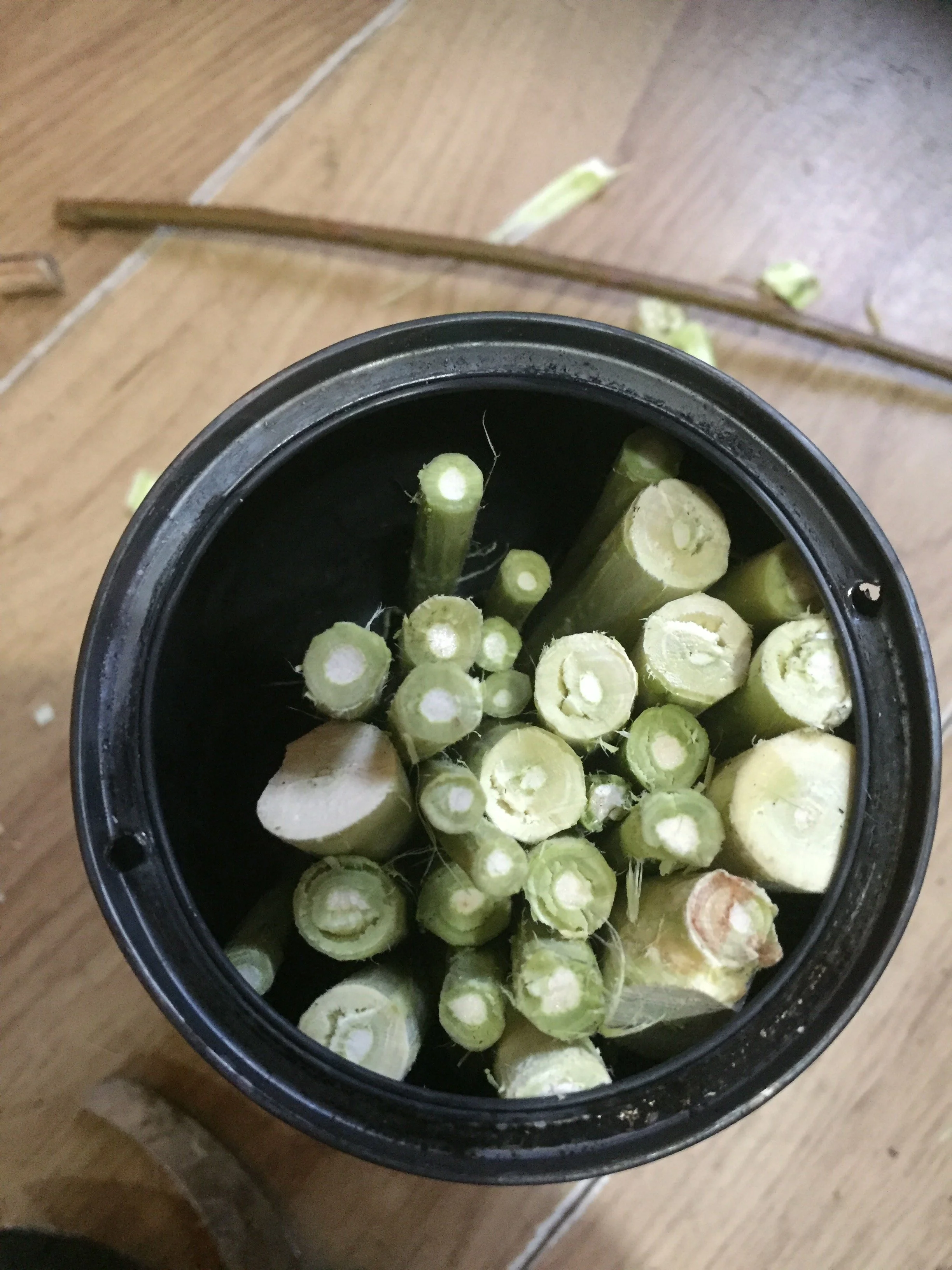
We cut the willow into manageable lengths and prepared the pieces, removing the smaller side shoots and trimming them so that they would fit into our container.
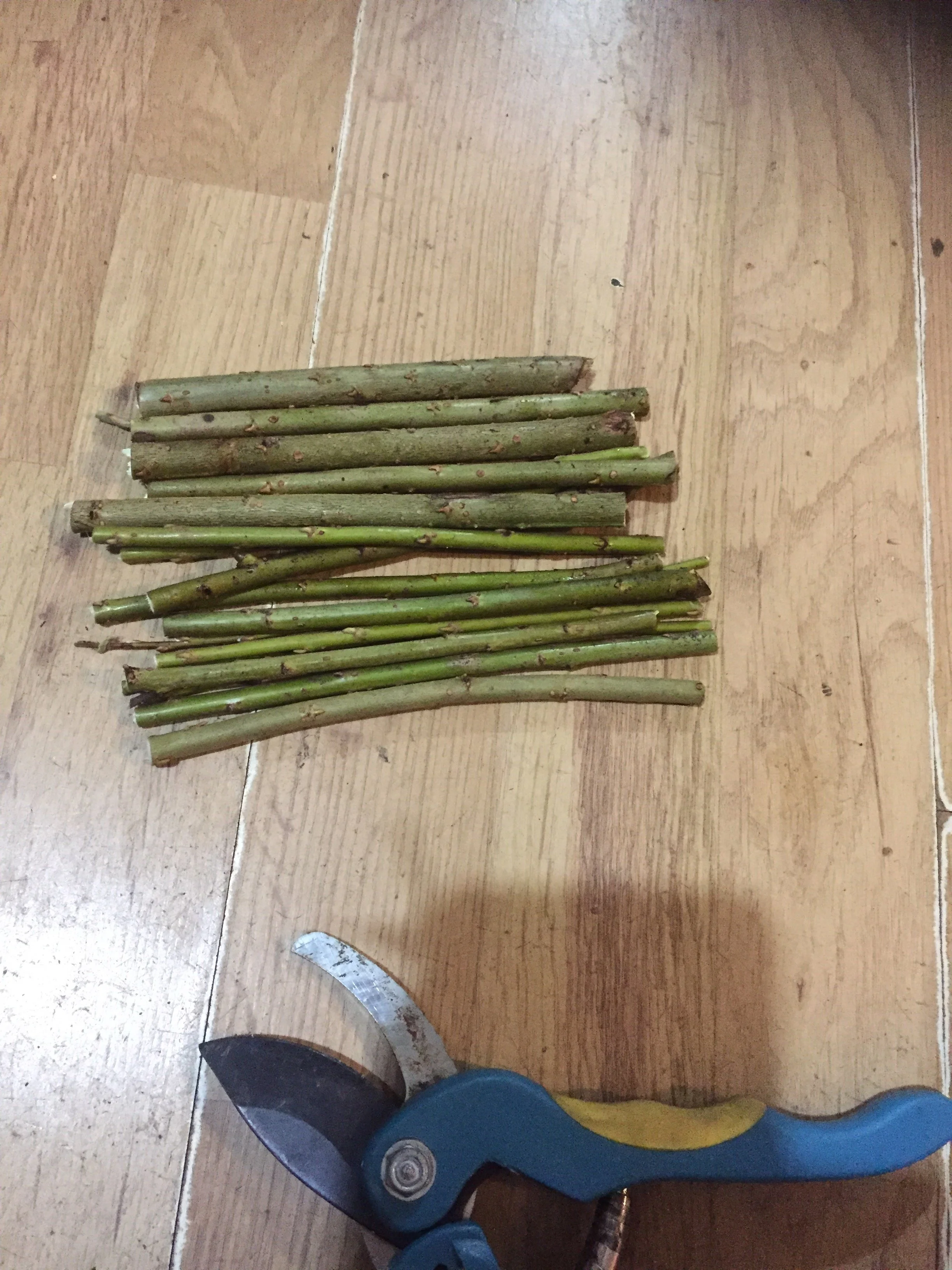
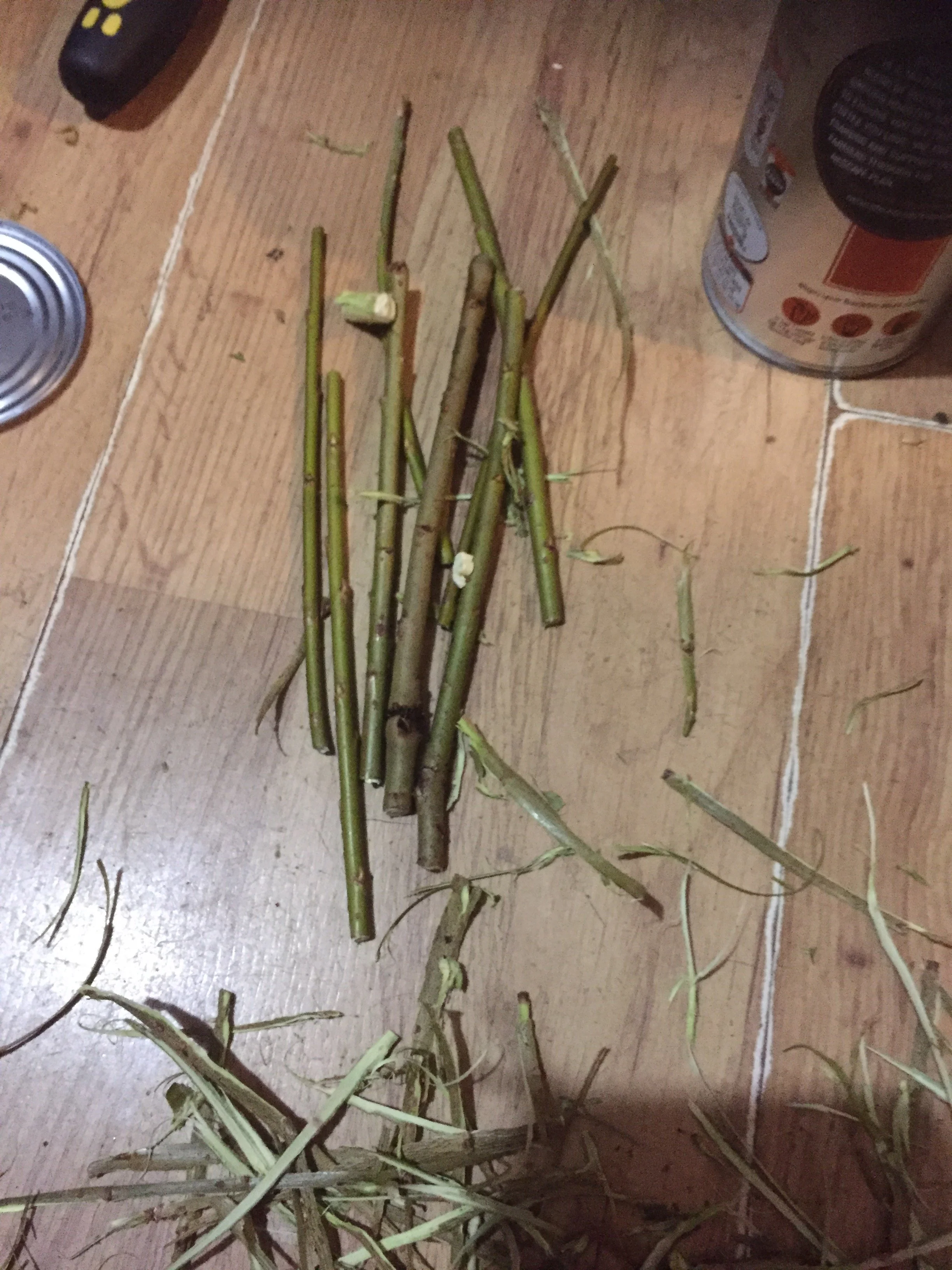
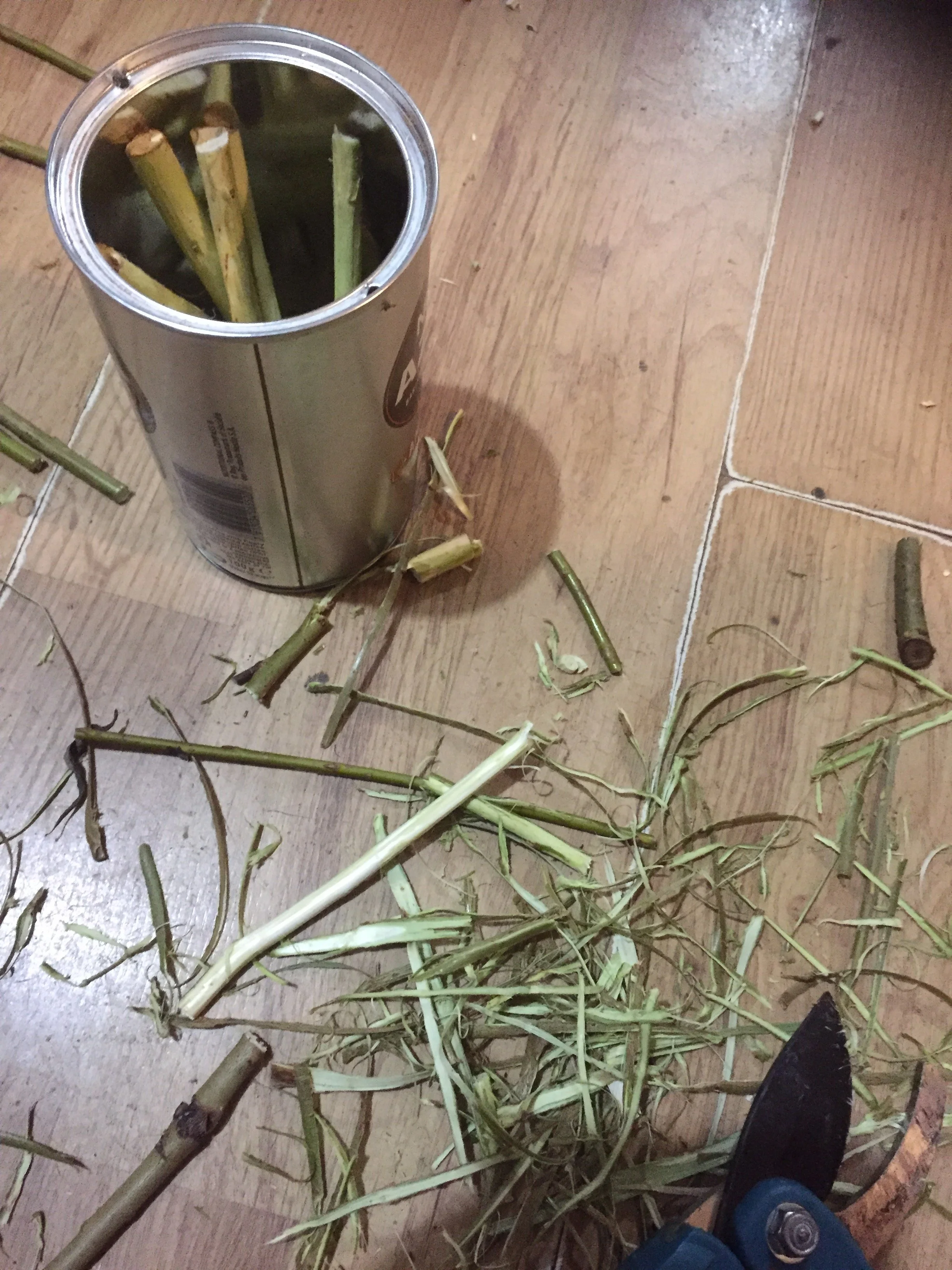
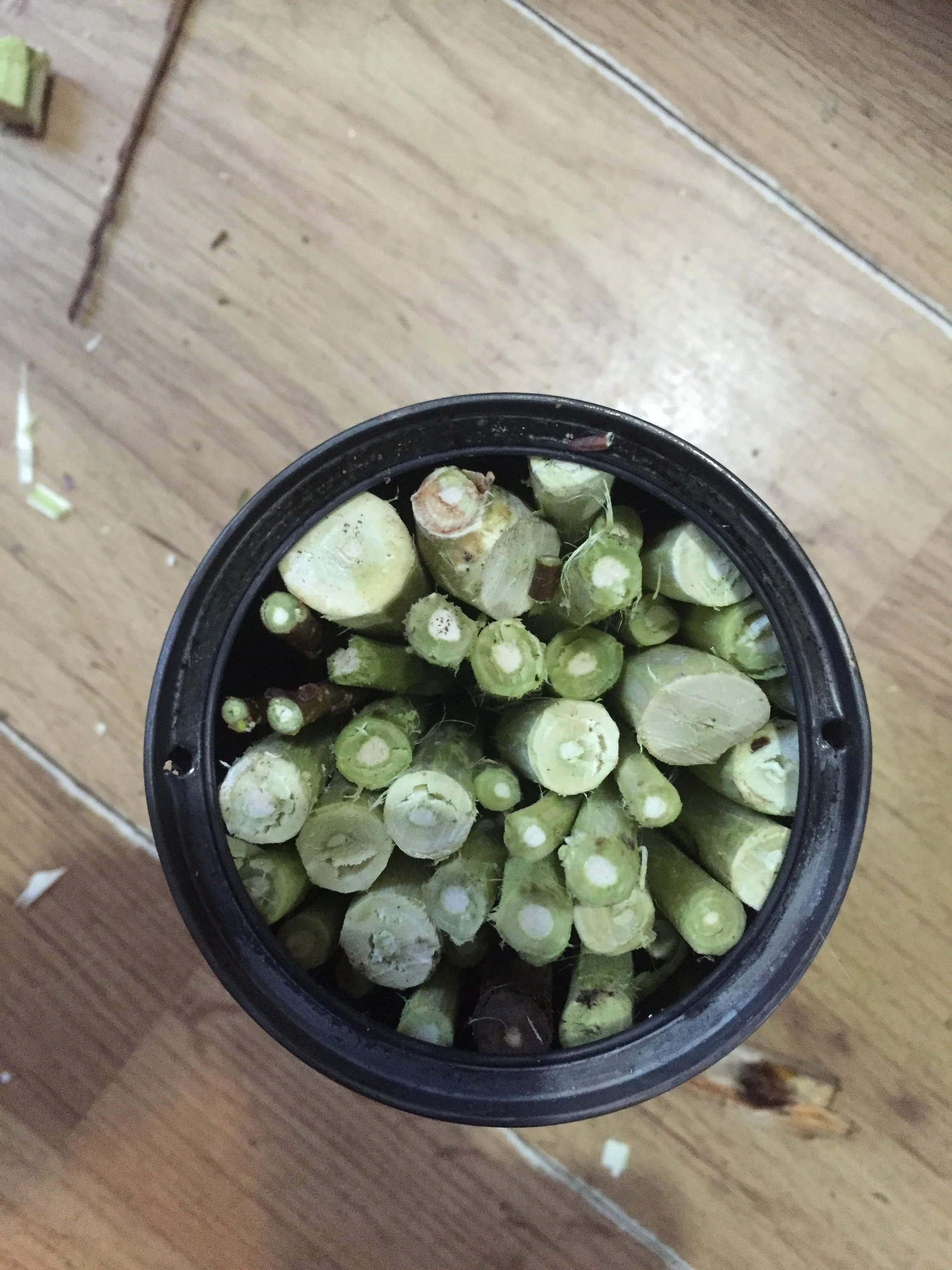
There is something satisfying about this stage of the process.
The willow is still green and full of life.
It is recognisable as a living plant, and yet we know that through the process of the fire it will become something entirely different.
The prepared pieces were placed into a metal container, with a lid which was screwed down and a small hole punched into the lid for steam to escappe. We experimented with different sizes and types of wood, curious to see how they would turn out.
Into the fire
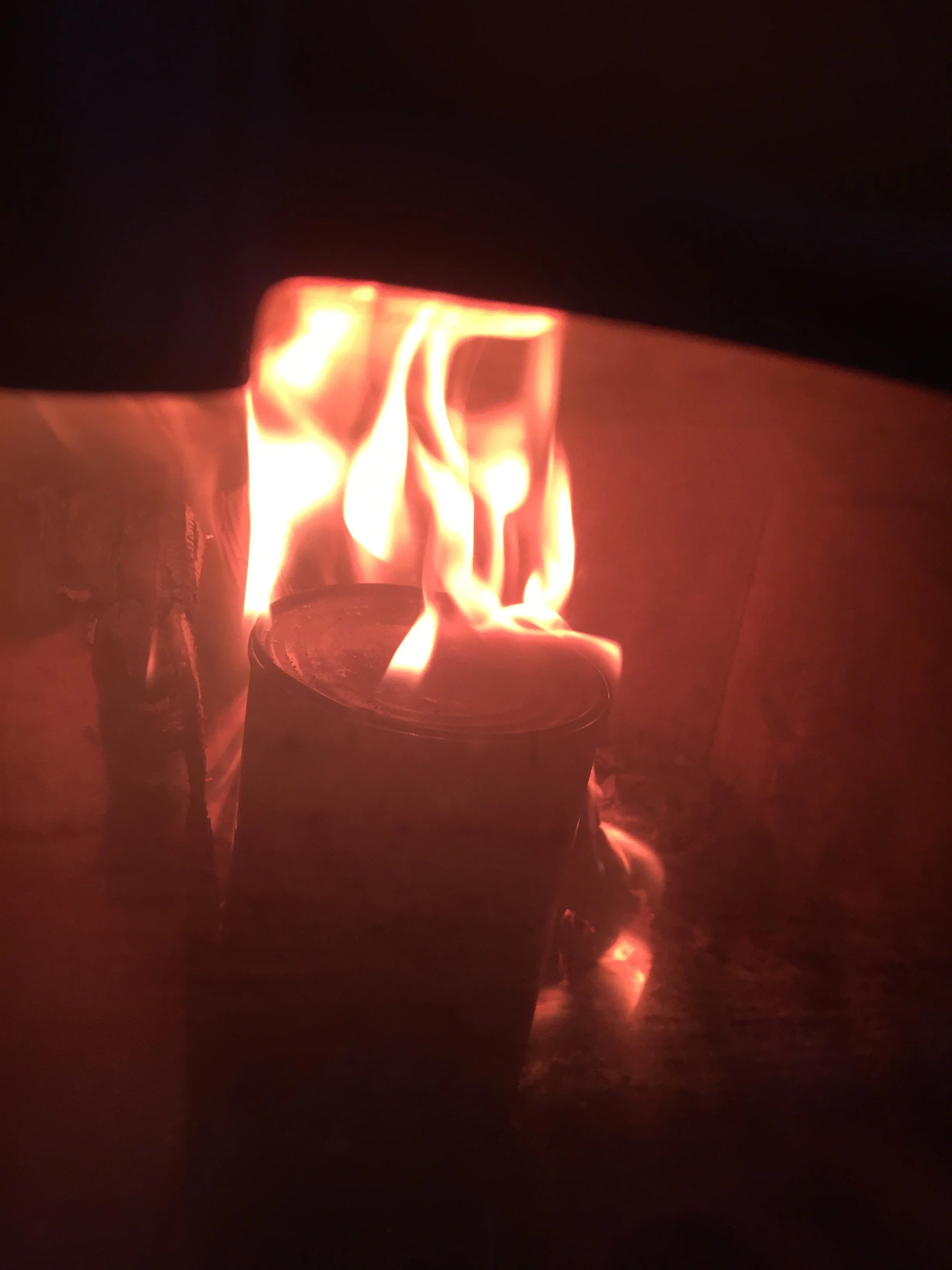
The container was then placed into the fire.
This is, of course, an adult process and one that needs to be carried out with proper care around fire and hot materials. The children could be part of the wider experience of gathering, preparing and eventually drawing with the charcoal, while the handling of the fire and hot container remained an adult responsibility.
As the fire burned, the transformation began.
The wood was heated in the enclosed container and, with the oxygen limited, gradually became charcoal rather than simply burning away to ash.
There is something almost magical about opening the container afterwards.
What had gone in as fresh Willow and wood came out blackened, light and ready to draw with.
What the fire gave us
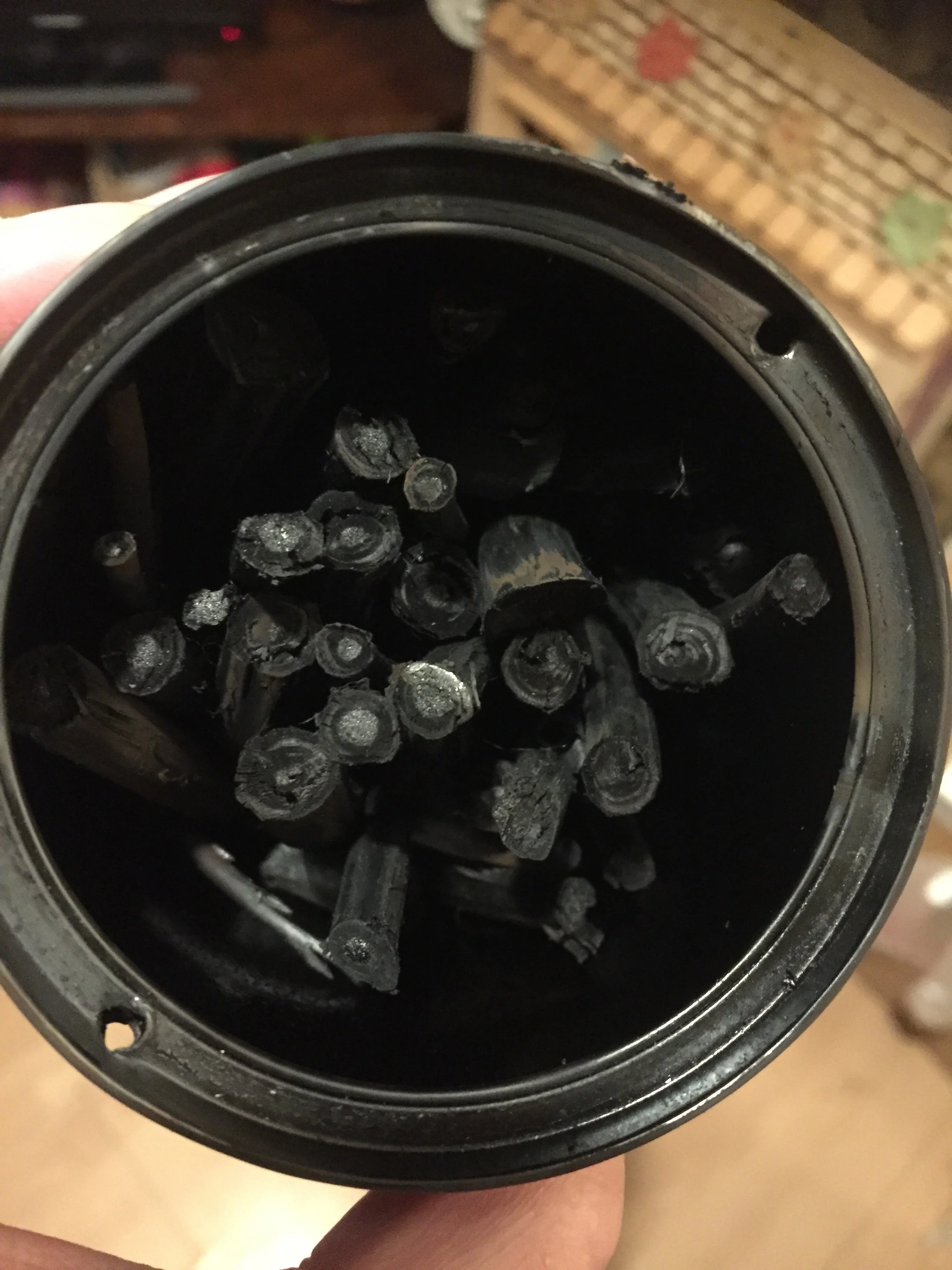
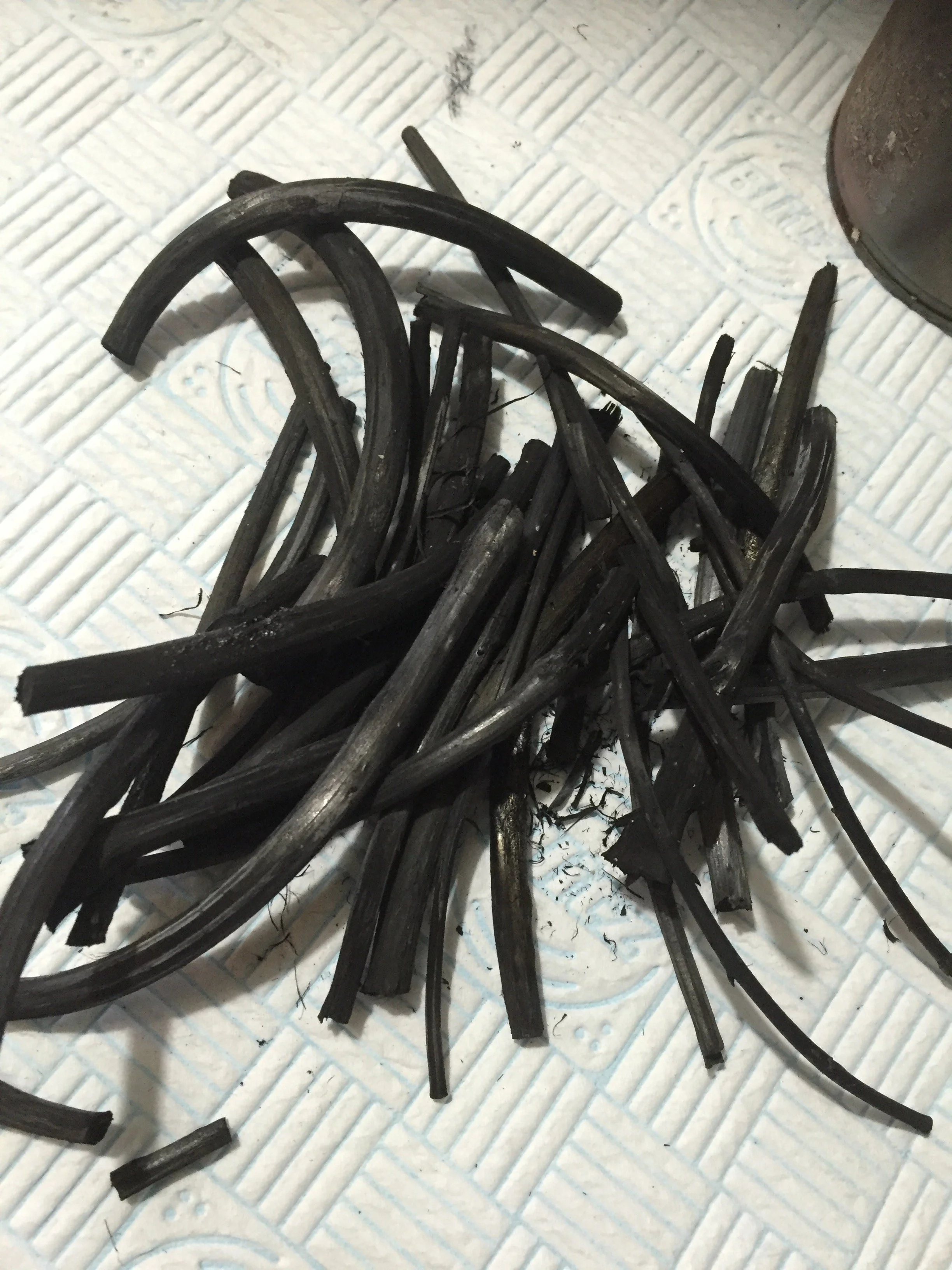
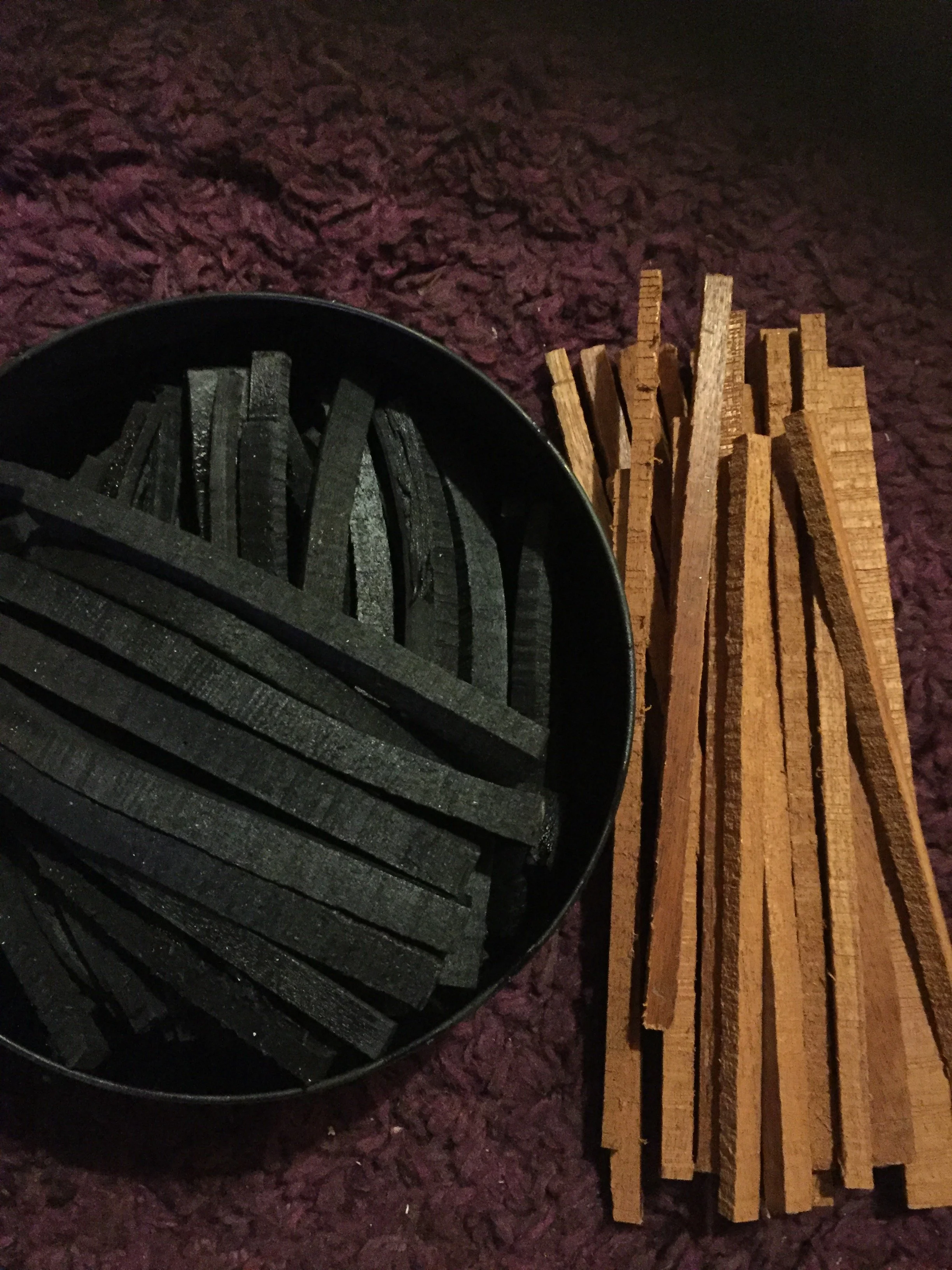
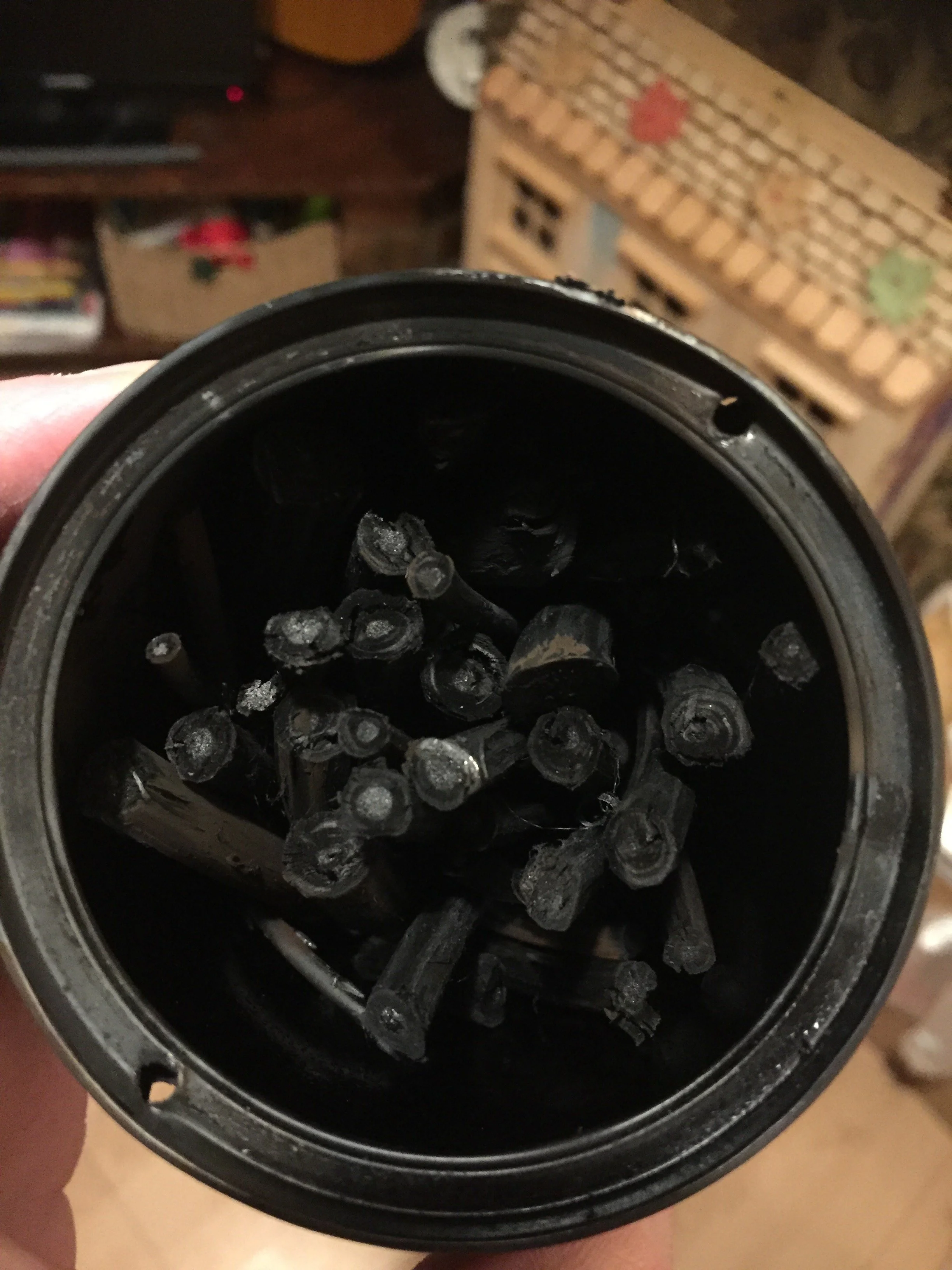
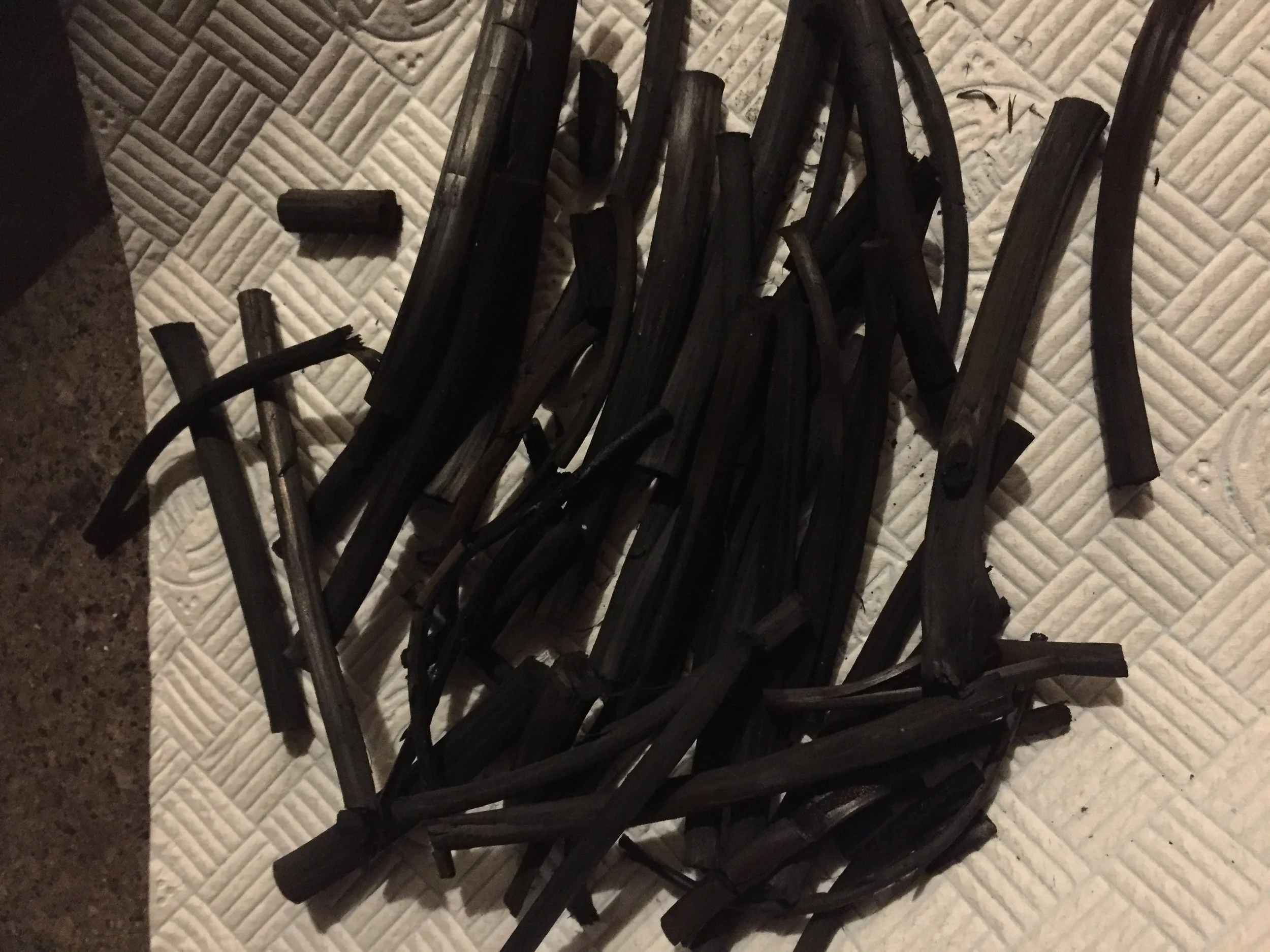
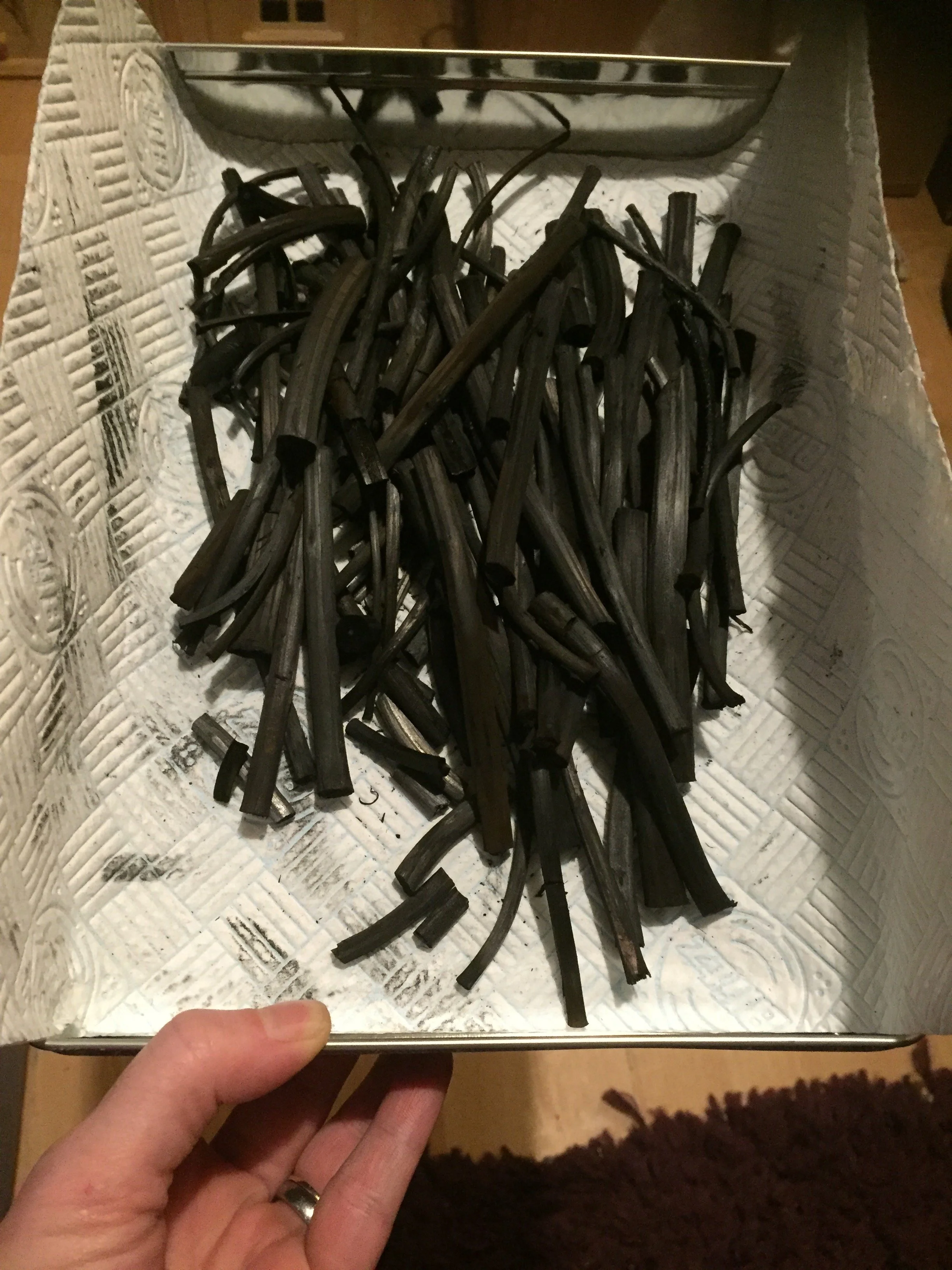
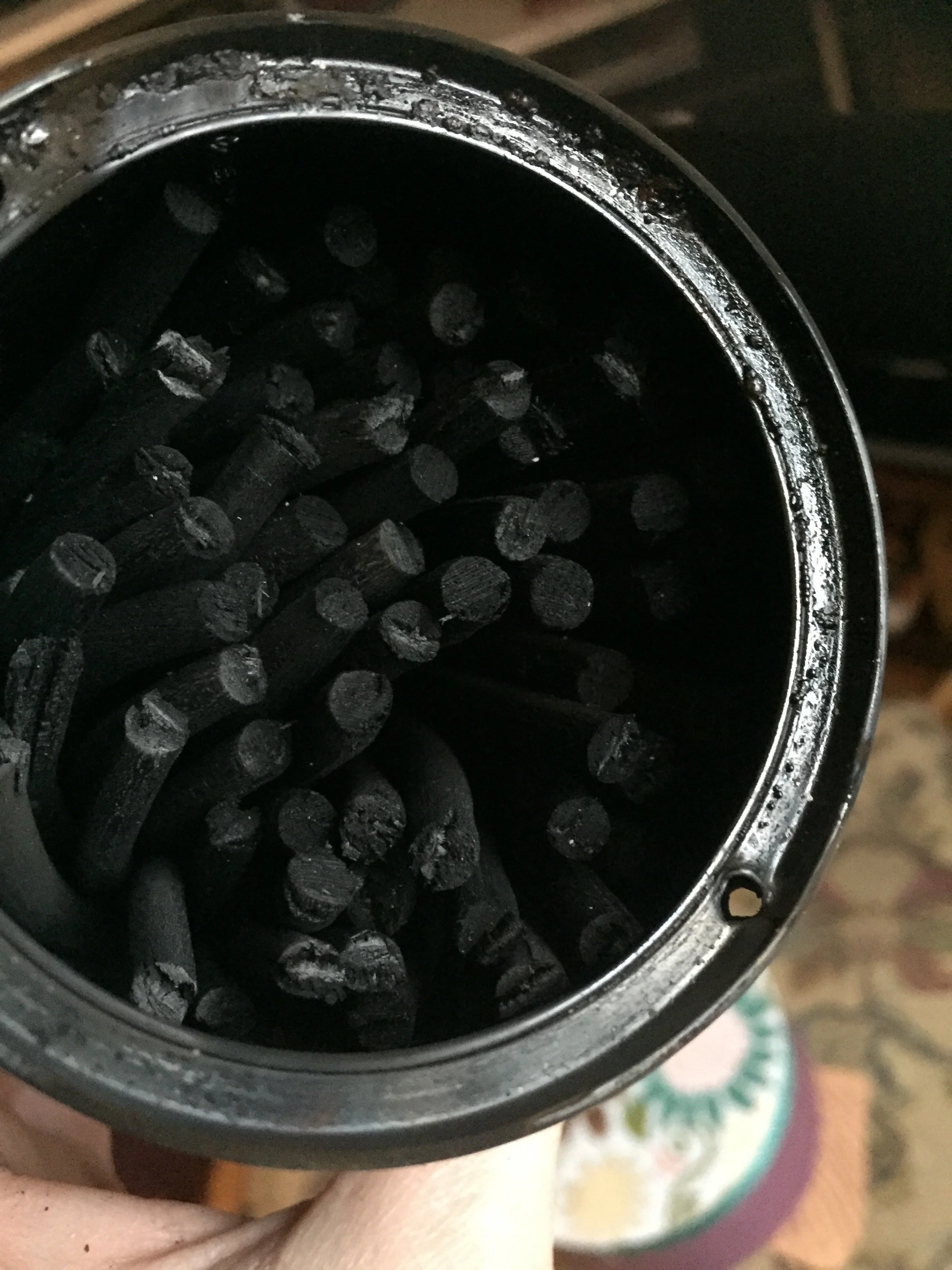
Once completely cool, the charcoal could be handled and sorted.
Some pieces were slender and curved.
Others were thicker and more substantial.
The different woods produced slightly different pieces, and we kept experimenting with what worked best for drawing.
There was something lovely about seeing the pile of finished charcoal.
It wasn't perfectly uniform.
It wasn't manufactured.
Each piece still carried something of where it had come from.
And then came the best part.
We could use it.
From charcoal to drawing
The charcoal became a simple drawing material, leaving beautiful soft marks that could be smudged, layered and worked into the paper.
It was wonderful to see something that had begun as a piece of Willow become part of a completely different creative process.
A branch had become charcoal.
The charcoal became a drawing.
And the drawing became something of its own.
This is the kind of making I have always loved.
There is no need for everything to begin with something bought from a shop.
Sometimes the making begins much earlier.
It begins with noticing.
With finding something interesting on a walk.
With wondering what it might become.
With bringing it home and experimenting.
With making mistakes, trying again and discovering something along the way.
And perhaps this is one of the quiet gifts of working with natural materials.
The process becomes part of the art.
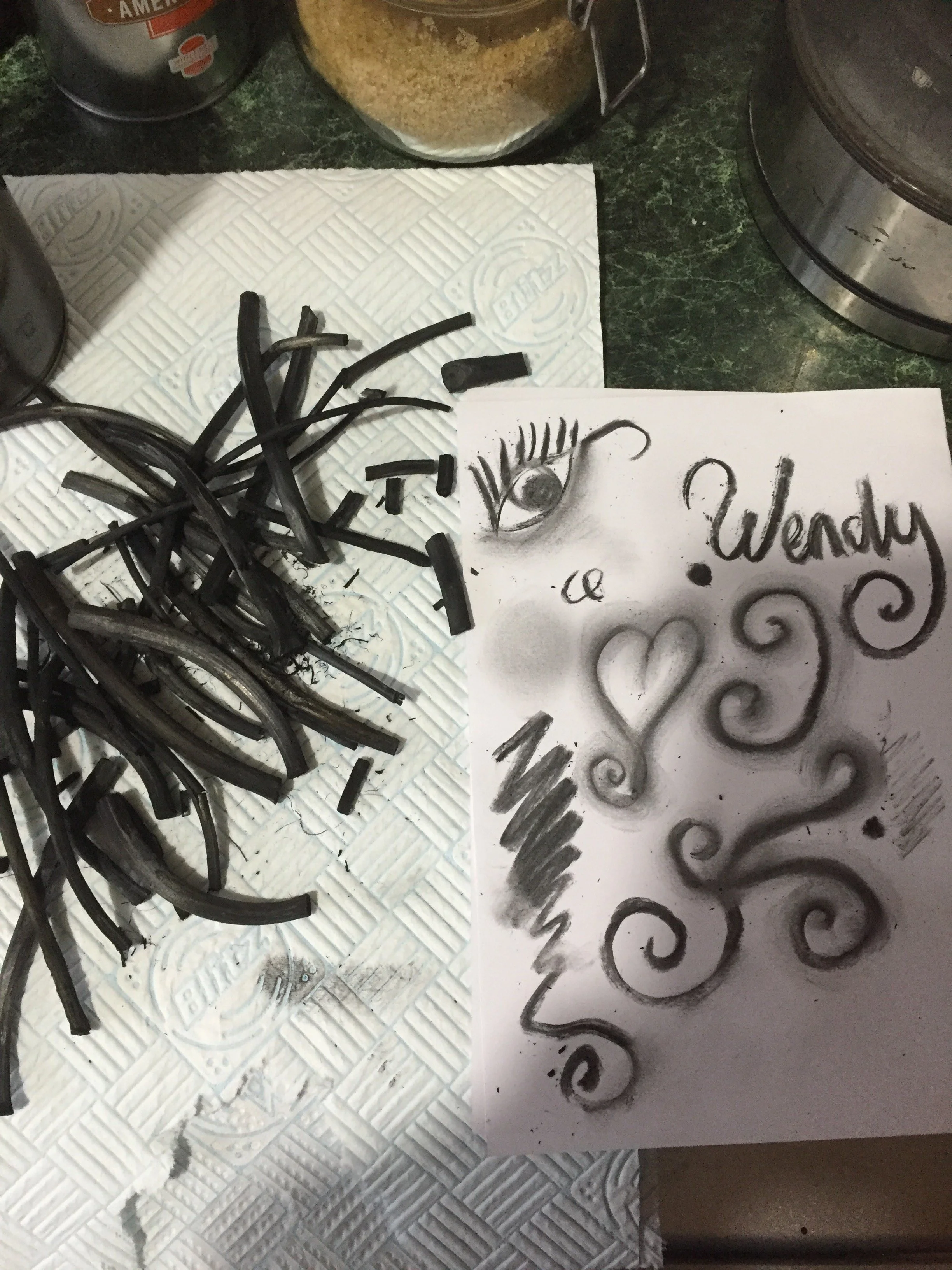
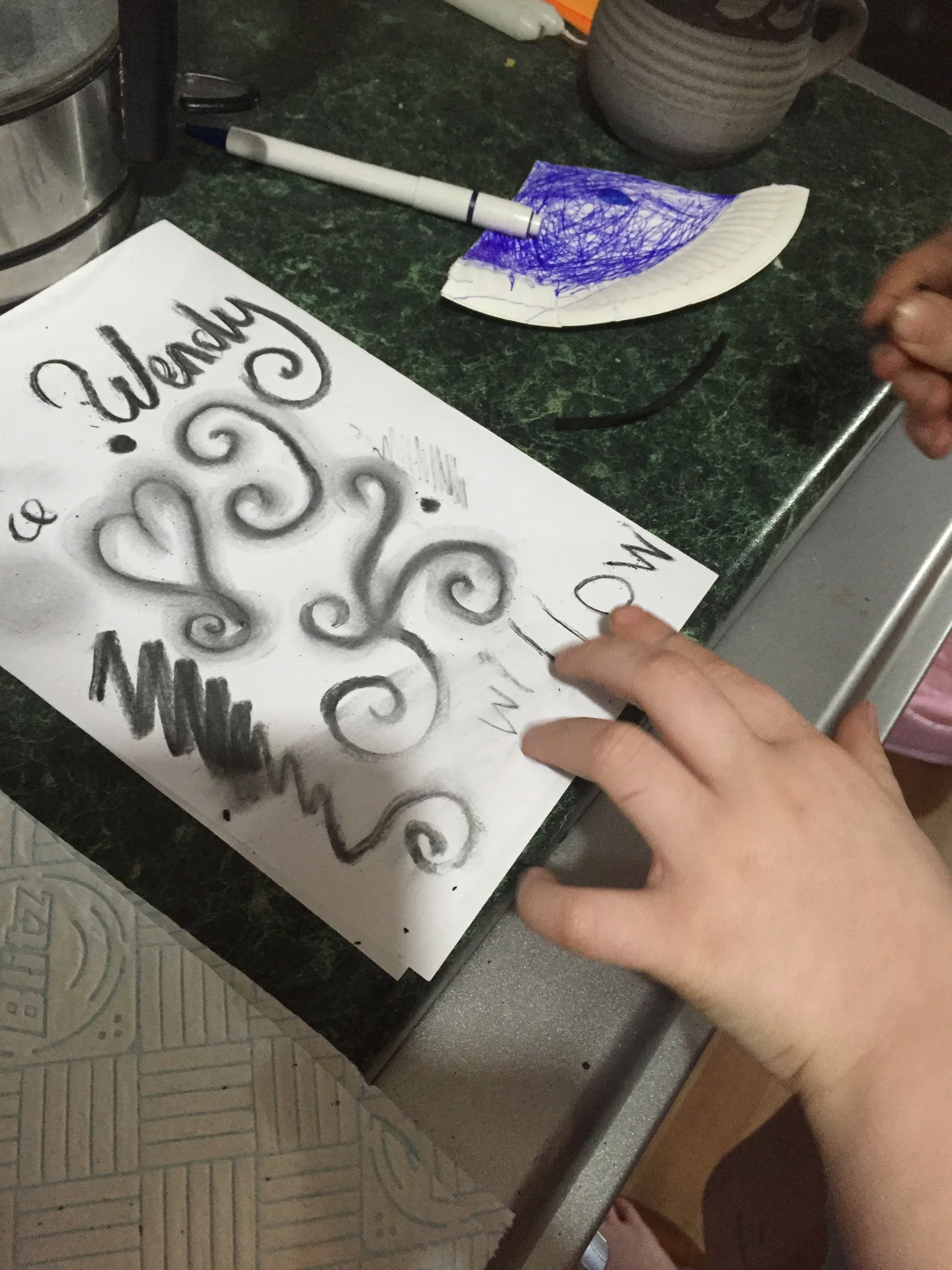
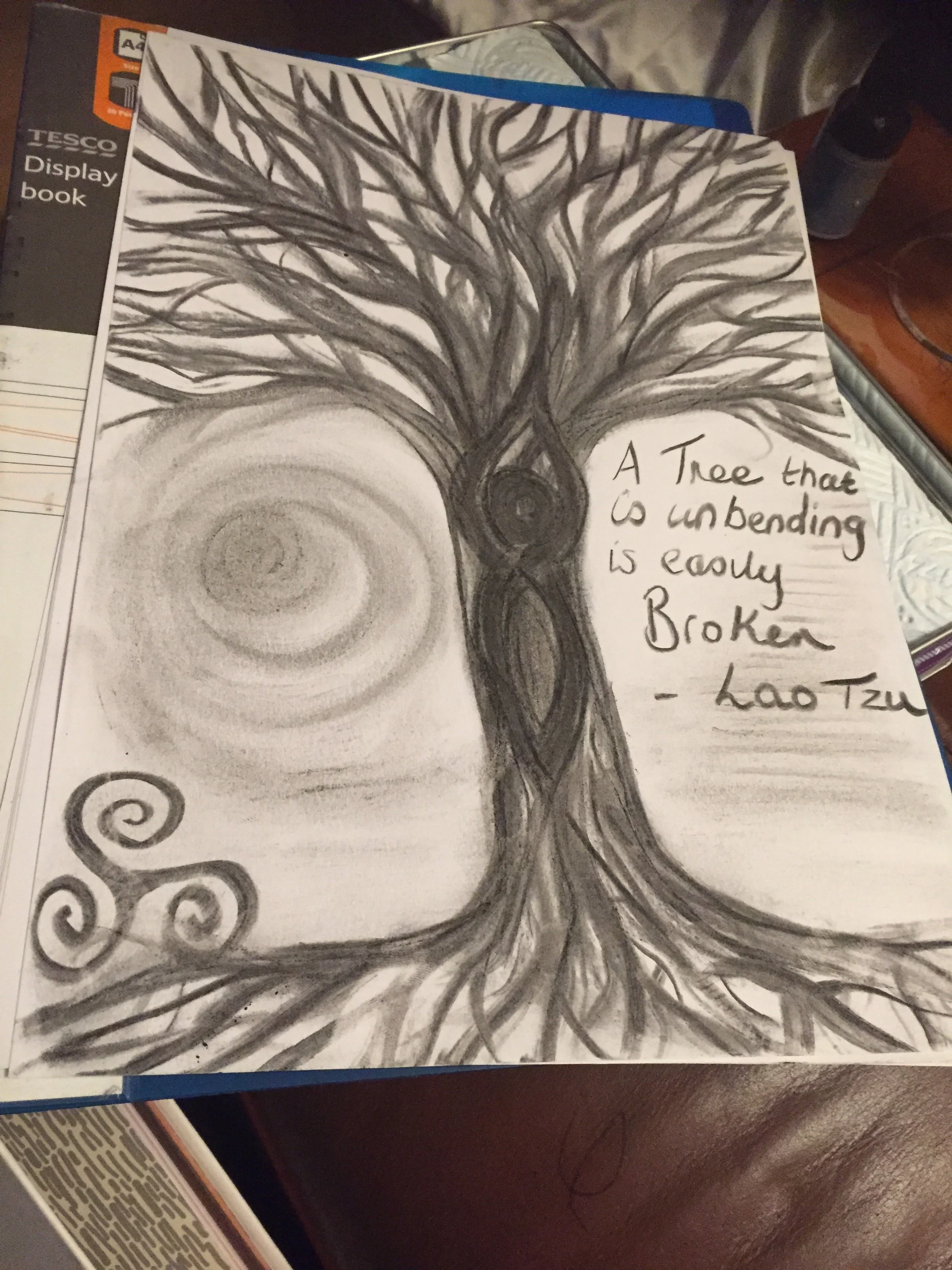
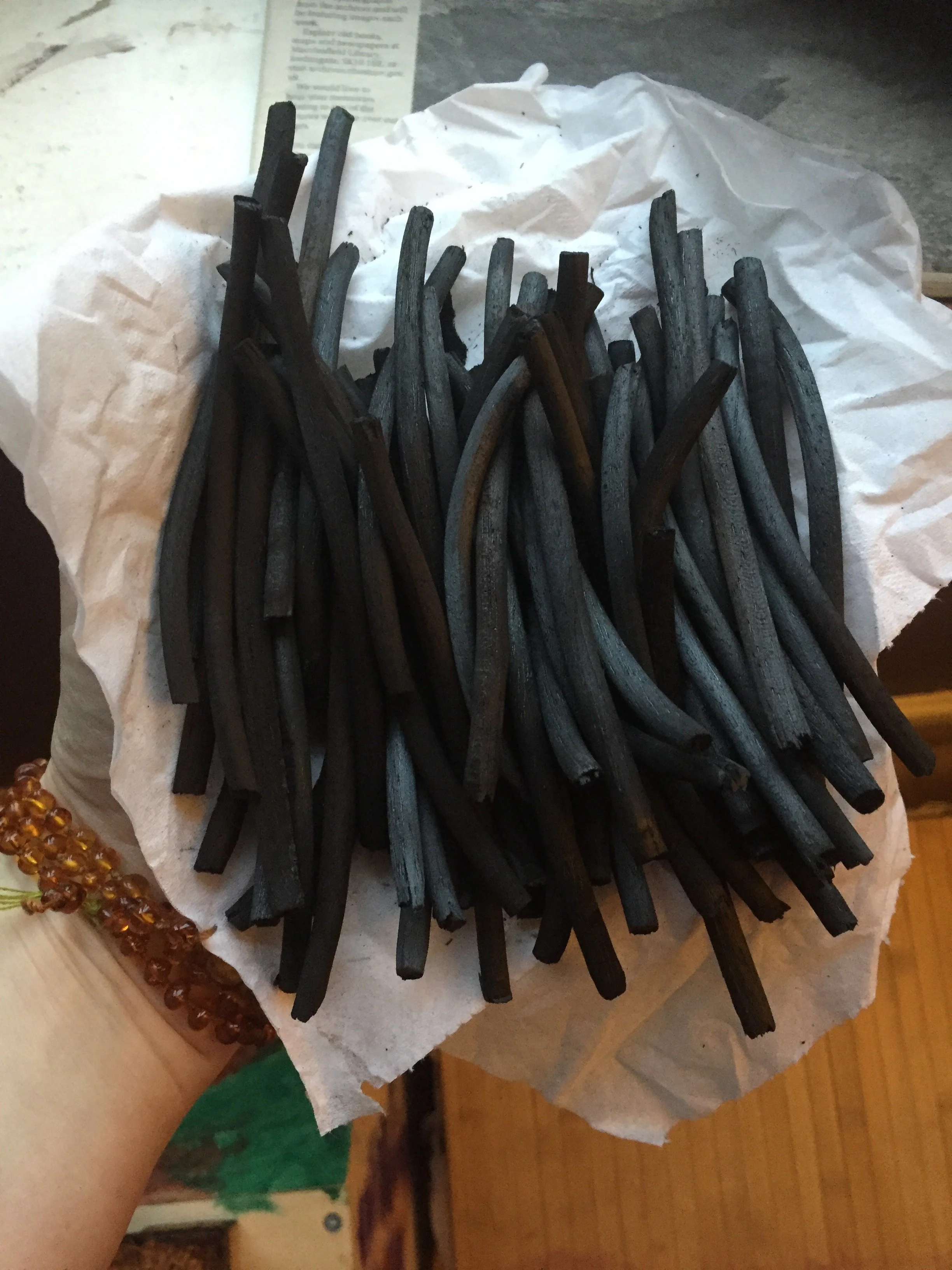
The charcoal in your hand has a story behind it.
It began as wood.
It passed through fire.
It was transformed.
And now it leaves a mark.
Making, rather than simply buying
Looking back, I realise how naturally these experiences became part of our family life.
A walk could become foraging.
Foraging could become making.
Making could become cooking, painting, crafting or drawing.
The seasons gave us different materials and different possibilities.
There was always something to notice.
Something to gather.
Something to make.
Something to learn.
And this is one of the things I hope to encourage through Wendy & Willow — not a childhood filled with endless organised activities, but a home where there is space to notice what is already around us.
A fallen branch does not have to remain simply a fallen branch.
A handful of willow stalks can become drawing charcoal.
A blackberry can become a pie.
Elderflowers can become cordial.
A pile of leaves can become an afternoon of making.
The natural world offers us so much when we slow down enough to notice.
And sometimes, the simplest materials make the most meaningful things.
Gather.
Make.
Use.
Make again.
There is a beautiful rhythm in that.
A Note on Safety
Making charcoal involves fire and very high temperatures. The fire and handling of hot containers should always be undertaken by a responsible adult in a suitable, safe outdoor setting, with appropriate fire precautions. Allow the charcoal to cool completely before handling it or using it for drawing. Only use clean, untreated, non-toxic wood or Willow suitable for this purpose.